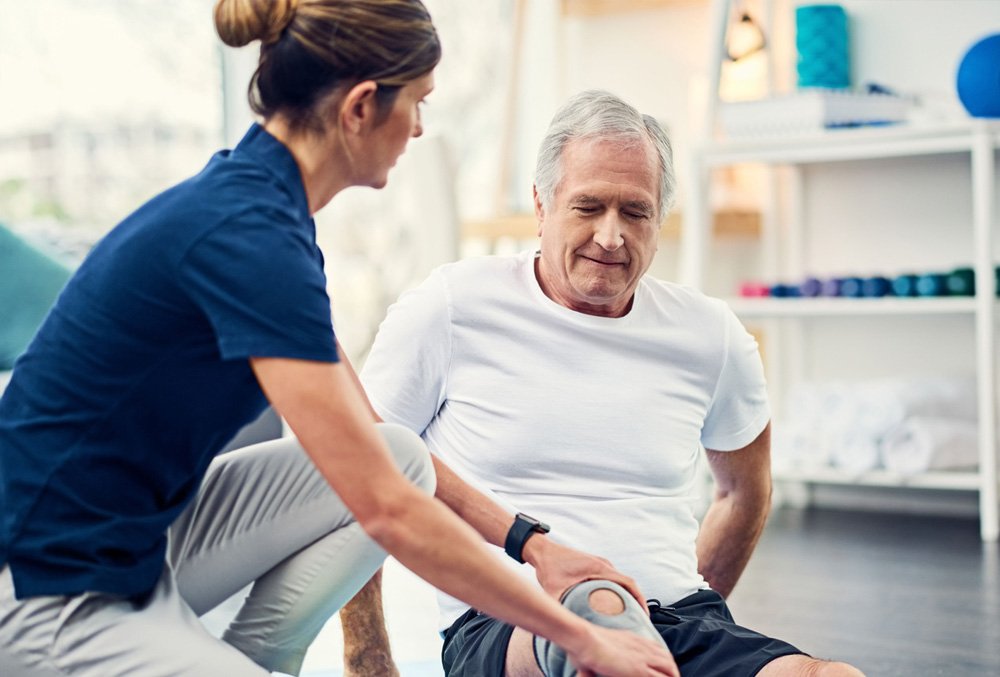
When it comes to healing and recovery, most people are familiar with Rehabilitation—the treatment that begins after an injury or surgery to help you regain strength and mobility.
But there is another equally powerful approach that is transforming recovery outcomes across the world: Prehabilitation.
Both play crucial roles, but understanding the distinction helps patients make informed decisions for better and faster healing.
At PReMA, where modern physiotherapy blends seamlessly with Yoga, Ayurveda, Panchakarma, and mindfulness, we use both concepts strategically to help patients prepare, heal, and thrive.
What Is Prehabilitation?
Prehabilitation, often called “prehab,” refers to the proactive preparation of the body before a surgery, medical procedure, or anticipated physical stress.
Think of it as “training your body before an event”—like athletes prepare before a marathon.
It aims to:
- Build strength
- Improve flexibility
- Optimize breathing and lung capacity
- Improve heart and muscle endurance
- Reduce post-surgery complications
- Speed up recovery
- Boost mental and emotional preparedness
Who benefits?
- Patients scheduled for surgeries (orthopedic, cardiac, abdominal, etc.)
- Athletes preparing for high-intensity events
- Individuals with chronic pain planning lifestyle changes
- Elderly individuals preparing for procedures
- Anyone wanting to reduce hospital stay & recovery time
Prehabilitation is all about improving your health before your body undergoes stress—so you’re stronger on the other side.
What Is Rehabilitation?
Rehabilitation begins after an injury, surgery, illness, or medical condition.
Its goal is to restore mobility, function, and daily living abilities that may have been lost.
It aims to:
- Reduce pain
- Restore muscle strength
- Improve joint mobility
- Rebuild functional movement
- Correct posture and balance
- Enhance confidence and independence
- Prevent recurrence of injury
Who benefits?
- Post-surgery patients
- People recovering from fractures or ligament injuries
- Stroke survivors
- Individuals with neck/back pain
- Patients with neurological or orthopedic conditions
Rehabilitation is the journey of gaining back what was lost—with professional support.
Prehabilitation vs Rehabilitation: The Key Differences
| Aspect | Prehabilitation | Rehabilitation |
| When it happens | Before surgery/illness | After surgery/illness |
| Goal | Prepare, strengthen, prevent complications | Restore function & reduce pain |
| Focus | Optimization | Recovery |
| Approach | Proactive | Reactive |
| Duration | Short (2–6 weeks) | Depends on recovery stage |
| Outcome | Faster healing, fewer complications | Regained function and mobility |
Both are essential—but prehabilitation significantly boosts the effectiveness of rehabilitation.
Why Prehabilitation Is Becoming a Game-Changer
Modern research shows that people who undergo structured prehabilitation often experience:
- 30–50% faster post-surgery recovery
- Fewer complications
- Shorter hospital stay
- Better pain tolerance
- Improved surgical outcomes
- Higher strength and mobility long term
- Better emotional readiness
At PReMA, we highly recommend prehab for all major surgeries—especially knee replacement, spine surgery, cardiac procedures, and abdominal surgeries.
How PReMA Integrates Prehabilitation & Rehabilitation Holistically
Our integrative approach uses a blend of therapies to prepare and restore the body.
1. Physiotherapy
Prehab:
- Strengthening weak muscles
- Improving joint mobility
- Breathing exercises for lung capacity
- Cardiovascular conditioning
Rehab:
- Pain reduction
- Joint mobilization
- Gait training
- Strength & function restoration
2. Rehabilitation Training
Prehab:
- Core and balance training
- Functional preparation for surgery
- Training for daily activities
Rehab:
- Correcting compensatory patterns
- Retraining posture and movement
- Gradual return to activity
3. Yoga Therapy
Prehab:
- Improving flexibility
- Breathwork for stress reduction
- Strengthening stabilizing muscles
Rehab:
- Gentle strengthening
- Mobility training
- Relaxation & body awareness
4. Ayurveda & Panchakarma
Prehab:
- Abhyanga to loosen stiff muscles
- Herbal therapies to improve circulation
- Stress reduction prior to surgery
Rehab:
- Kati Basti &Greeva Basti for pain
- Panchakarma detox to reduce inflammation
- Herbal oils for deep tissue healing
5. Meditation & Mindfulness
Prehab:
- Reduces pre-surgery anxiety
- Improves emotional stability
Rehab:
- Helps in pain management
- Enhances overall recovery